BPA-free became a marketing standard so quickly that most shoppers now assume it’s a stamp of overall safety. It isn’t. BPA is one specific chemical compound, removing it doesn’t mean a product is free of every other concern.
What “BPA-free” actually tells you
Manufacturers responded to BPA concerns by substituting it with related compounds like BPS or BPF, which early research suggests may carry similar risks. The label tells you one ingredient was removed, not what replaced it.
What to check instead
- Material type first, 100% food-grade silicone or stainless steel tells you more than any “-free” label ever will
- FDA food-contact certification, look for this specifically mentioned in the listing or product description
- Country of manufacture and testing standards, products manufactured and tested to EU or US food-safety standards tend to have stricter oversight
- Avoid vague blends, terms like “eco-composite” or “plant-based plastic” without further detail often mean a mix of materials that isn’t fully disclosed
A simple rule of thumb
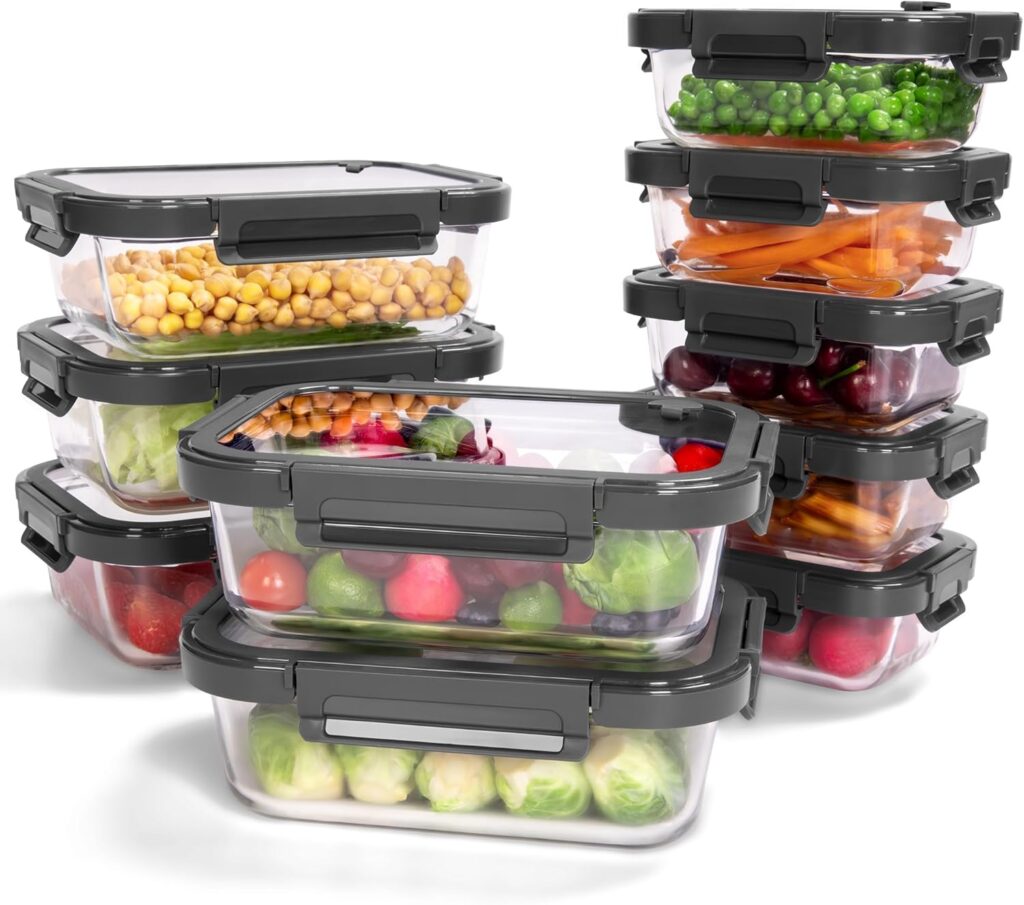
If a product needs to tell you what it doesn’t contain, BPA-free, phthalate-free, lead-free, rather than clearly stating what it is made of, read the full listing before assuming it’s the safer choice.
As an Amazon Associate I earn from qualifying purchases.