Microplastics research has moved fast over the past few years, and kitchenware is one of the more overlooked sources. Here’s what tends to give it away.
1. Visible surface scratching
Any plastic item that’s developed fine scratches from utensils or dishwasher cycles is more likely to shed microscopic particles into food, especially with hot or acidic foods.

2. “Melamine” listed as the material
Melamine dinnerware looks like ceramic but is actually a plastic resin. It’s durable and break-resistant, which is exactly why it’s popular for kids’ dishes, but it isn’t a wood or ceramic alternative, it’s still plastic.
3. Heat exposure instructions that seem overly cautious
If a product’s care instructions specifically warn against microwaving or hot liquids “to preserve the material,” that’s often a sign the plastic isn’t heat-stable and may degrade with regular use.
4. No specific material name in the listing
Vague terms like “eco-friendly plastic” or “recycled material” without specifying exactly what that material is usually means it’s still a plastic blend.
5. It’s been in daily rotation for over a year
Even food-safe plastics break down with repeated washing and use over time. If a plastic item has visible wear, it’s worth replacing regardless of what it was originally rated for.
The simplest fix
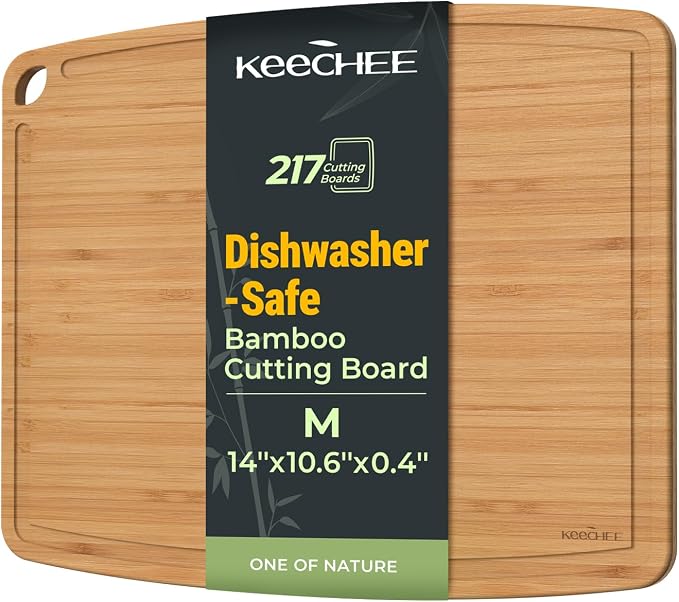
Materials that don’t shed by nature, stainless steel, glass, silicone, and genuinely solid wood, sidestep this issue entirely, since there’s no plastic surface to degrade in the first place.
As an Amazon Associate I earn from qualifying purchases.